Salt Air and Wind: What the Coast Does to Swansea Roofs
If you live within sight of Swansea Bay, your roof works harder than most. Salt drifts in off the water, gusts come whipping round the headland, and your tiles take it all without a break.
The sea is a big part of why people love it here. It's also tough on the outside of your house, especially the roof, which nobody thinks about until something goes wrong.
The quick answer: Salt air keeps roofs damp and feeds algae and moss, while coastal wind loosens tiles and drives rain into gaps. Homes closer to the Gower and the seafront cop the worst of it. Regular roof cleaning and a gentle soft wash clear the buildup and let you catch loose tiles early.
1. Salt in the air doesn't just stay in the air
Every time the wind blows in off Swansea Bay, it carries a fine mist of salt. That salt settles on your roof and hangs around. It's part of why cars near the seafront need washing more often.
Salt is hygroscopic, which is a fancy way of saying it pulls moisture out of the air and holds it. So a salty roof stays damp longer than an inland one. And damp is the thing that feeds moss, algae, and those ugly black streaks.
2. Gower exposure puts some homes right in the firing line
The Gower Peninsula was the first place in Britain named an Area of Outstanding Natural Beauty, back in 1956. Gorgeous to look at. Also completely open to the Atlantic on three sides.
Homes out toward Mumbles, Langland, and the western edge of the city get very little shelter from that weather. There's often nothing between your roof and the open sea but a bit of headland. The closer you are to the coast, the more salt and wind your roof deals with.
Inland, up in the valleys behind the city, roofs get a slightly easier time. But most of Swansea sits close enough to the water to feel it.
3. Wind is the quiet troublemaker
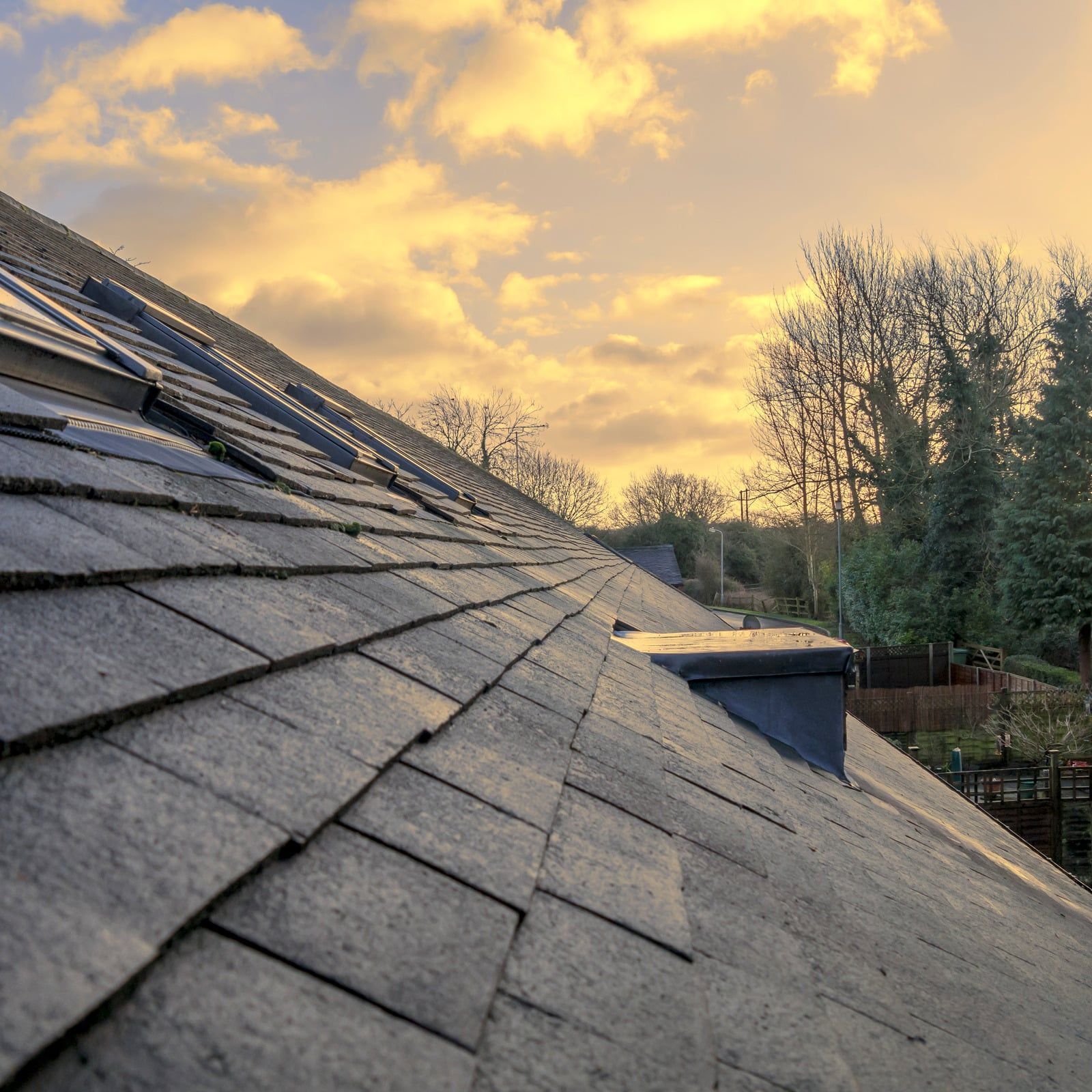
Rain you can see. Wind does its damage where you can't. It works at the edges of your roof, lifting tiles a fraction each time it gusts, loosening the nails and clips that hold everything down.
Over a few stormy winters, a tile that was solid can start to shift. Once one goes, the wind gets under its neighbours more easily. That's how a single loose slate turns into a bare patch.
Ridge tiles and the mortar along the top of the roof take a real beating too. They're the most exposed part of the whole thing.
4. Salt and damp speed up the green and black stains
You've seen the roofs around here that look almost black on one side. Those dark streaks are usually algae, and the constant coastal damp is what lets them spread.
Add moss into the mix and you get a roof that holds even more water. On a salty, wet roof that rarely dries out, growth like this takes hold faster than most people expect.
It's not just looks. The more a roof stays wet, the harder its materials work, and the shorter their life.
5. Why coastal roofs need a closer eye
A roof a few miles inland might sail along for years without much thought. A coastal Swansea roof asks for a bit more attention. That's just the trade-off for the view.
Here's what the sea air tends to bring on faster:
- Heavier moss and algae because the surface stays damp from salt and rain.
- Loose and slipped tiles from repeated wind lift over the winters.
- Worn mortar along the ridges where exposure is worst.
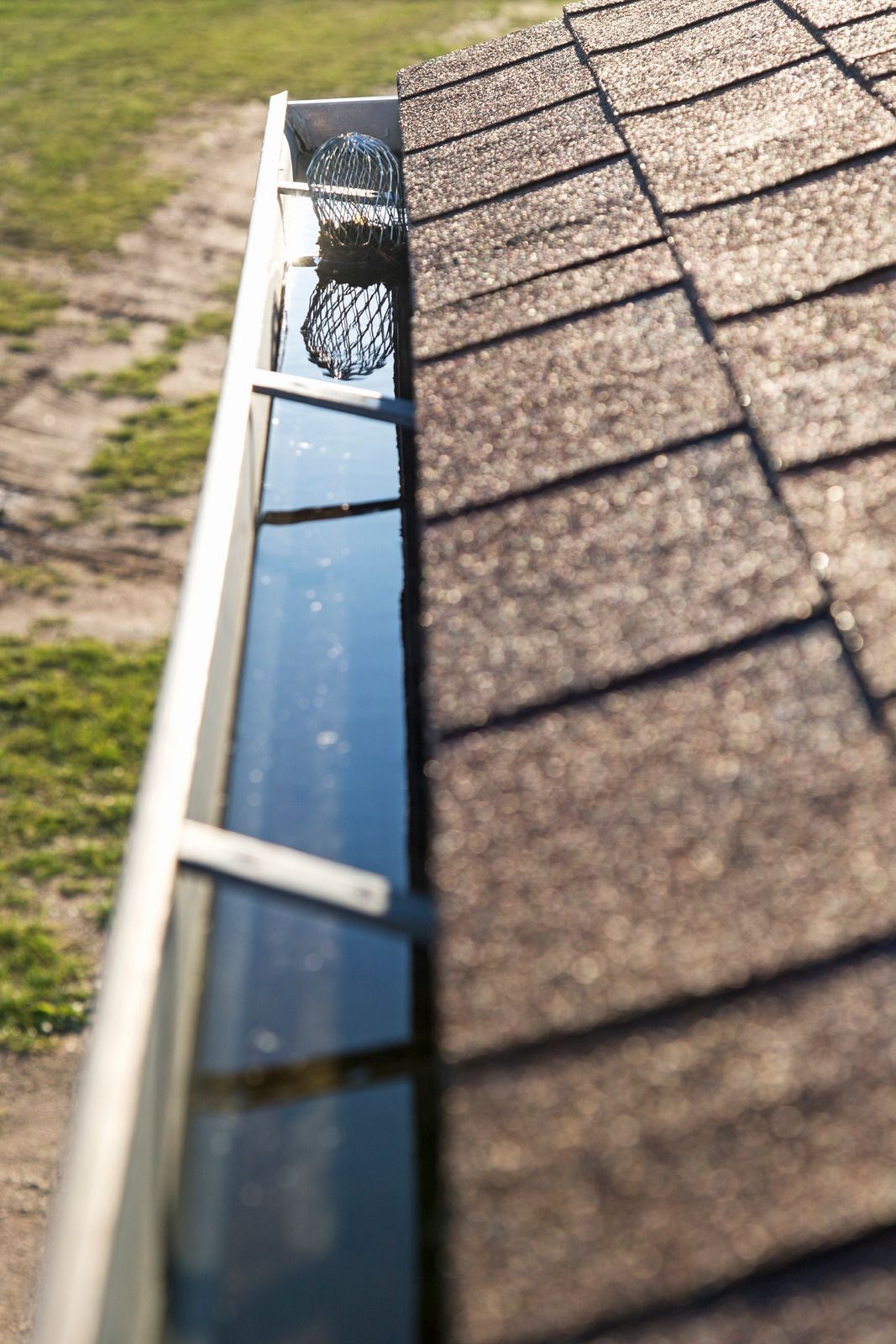
- Blocked gutters from all the debris the wind drags off the roof.
Catch these early and they're small jobs. Ignore them and the weather does the rest.
6. Cleaning a coastal roof the gentle way
For roofs this exposed, low pressure is the only sensible approach. We soft wash, using gentle water pressure and a biocide that clears the moss and algae and slows the regrowth the salt air keeps encouraging.
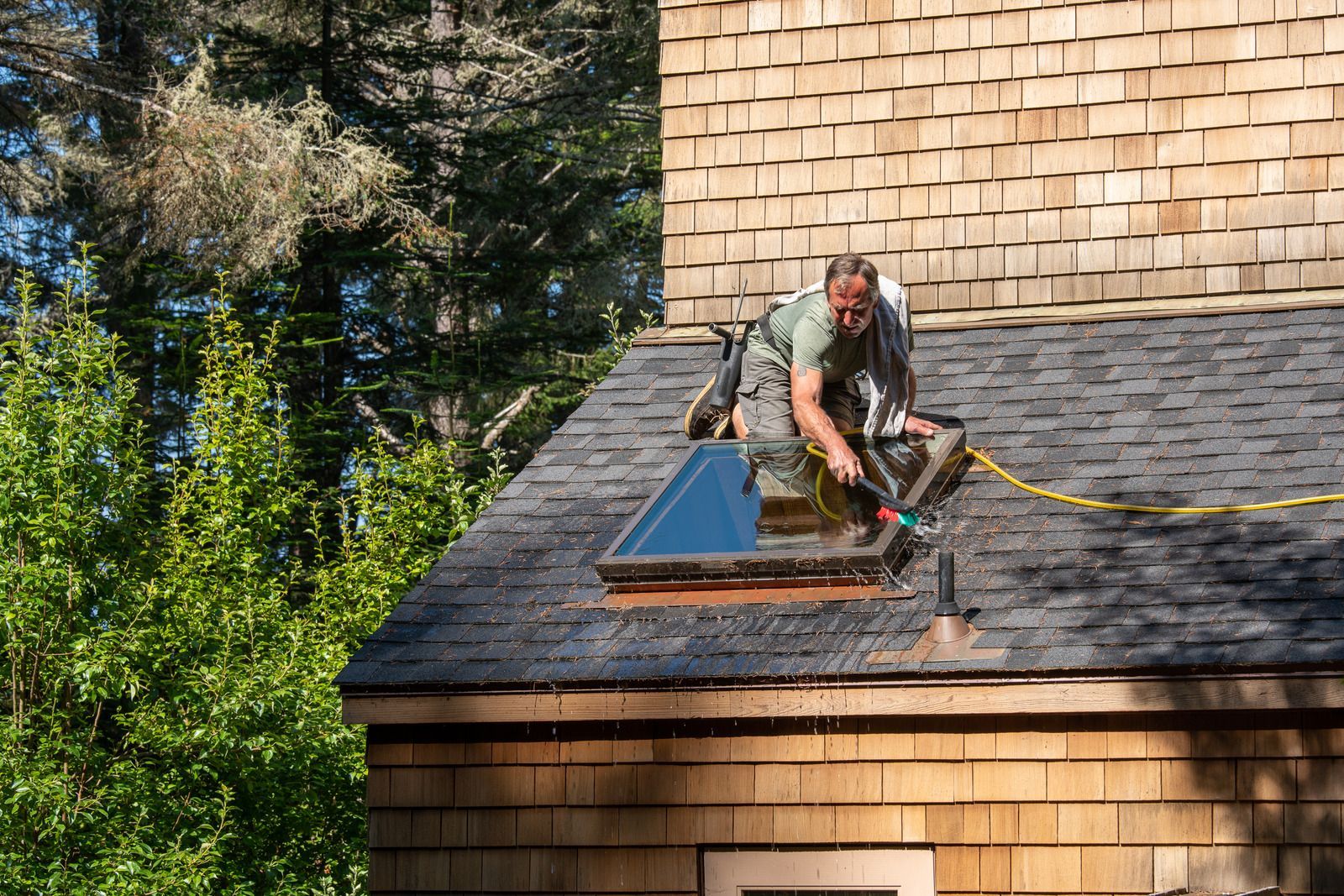
A cleaning visit is also a chance to spot the wind damage before it becomes a leak. While we're clearing the growth, we can see the slipped tiles, the worn ridge, the bits the storms have started to loosen.
We've spent over 15 years on roofs around Swansea and South Wales, plenty of them right by the water. The pattern's always the same. The sea is relentless, so upkeep has to be steady.
Frequently Asked Questions
Does living near the sea really affect my roof?
Yes. Salt air keeps the surface damp and feeds moss and algae, while coastal wind loosens tiles over time. Homes near Mumbles and the Gower feel it most.
How do I know if wind has loosened my tiles?
Look for slipped or misaligned tiles, bits of mortar on the ground, or gaps along the ridge. A cleaning visit is a good time to have it all checked over.
Why does my roof look black on one side?
That's usually algae, and the coastal damp helps it spread. A low-pressure soft wash lifts it off and treats the surface so it comes back slower.
Is soft washing safe for an exposed coastal roof?
It's the safest option. High pressure can crack tiles and worsen wind damage, while soft washing cleans without adding stress to an already weathered roof.
How often should a seafront roof be cleaned?
Coastal roofs often need cleaning more often than inland ones. Many homeowners near the bay find every couple of years works well, though it depends on exposure.
Is the sea air wearing your roof down?
Ben's Roof Cleaning works across Swansea and South Wales, with over 15 years of experience. Get in touch or call 01792 001668
for a free, no-obligation quote.
The view is worth it, but your roof needs backup
Nobody's giving up a spot near Swansea Bay to save their tiles. And you don't have to. A gentle clean every couple of years, plus a quick look for loose tiles after the big storms, keeps a coastal roof standing up to whatever the Atlantic throws at it.