Why Swansea Roofs Grow Moss So Fast (And What Helps)
Look up at your roof after a wet Swansea winter, and you'll probably spot it. Green patches spreading over the tiles. Thick clumps sitting in the shaded corners. Dark streaks running down toward your gutters.
Roofs here grow moss faster than in most parts of the country. That isn't bad luck. It's the rain, the position of the city above Swansea Bay, and the kind of roofs we've got in this part of South Wales.
The quick answer: Swansea catches a lot of rain coming in off the Atlantic, and moss loves damp, shaded surfaces. Mix steady rainfall with mild winters and north-facing slopes, and moss digs in fast. Regular moss removal and a gentle low-pressure soft wash keep it from doing real harm.
1. Swansea sits in one of the wetter corners of Britain
Weather here rolls in straight off the Atlantic. The city faces southwest across Swansea Bay, so it takes the brunt of the wet fronts that sweep up the Bristol Channel. That's why we get grey skies and drizzle when other parts of the UK stay dry.
All that moisture has to land somewhere. A lot of it lands on your roof, day after day, week after week. And a roof that rarely gets a proper chance to dry out is exactly what moss wants.
2. Moss needs three things, and your roof hands over all of them
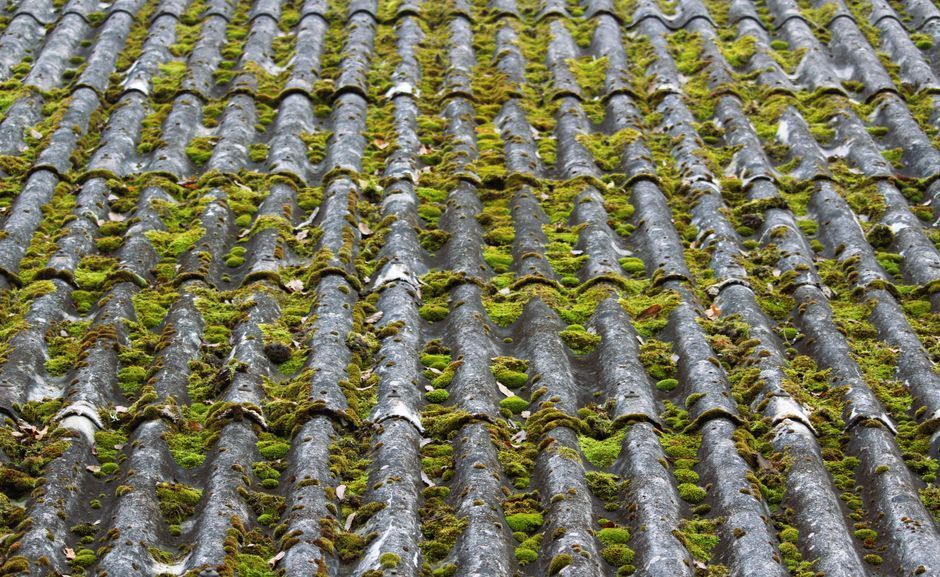
Moss is simple. It wants water, it wants shade, and it wants a rough surface to cling to. Give it those three and it settles in for good.
Swansea roofs tick every box. The rain keeps things damp. Tall terraces and nearby trees throw shade across the tiles. And the older slate and concrete tiles round here have just enough texture for spores to grab hold.
Once a little moss establishes, it holds water like a sponge. That keeps the surface even wetter, which invites more moss. It snowballs.
3. North-facing slopes stay green the longest
Walk down almost any street in Uplands or Mount Pleasant and look at the roofs. One side of each roof looks clean-ish. The other side is thick with green. That's the north-facing slope, the side the sun barely touches.
Swansea's hilly layout makes this worse. Houses sit on slopes and step up the hillsides, so plenty of roofs get shaded by the buildings and trees right next to them. Less sun means slower drying, and slow drying means moss.
My honest opinion? The north slope is where you should always look first. If that side is clear, the rest usually follows.
4. Mild Welsh winters keep moss growing nearly all year
Swansea rarely gets the hard, long freezes that kill moss off in colder regions. Our winters are wet and mild, warmed a little by the sea. Frost comes and goes.
So moss here doesn't really get a dormant season. It just keeps ticking over through the darker months. By spring, what looked like a light dusting in October can be a proper carpet.
5. What moss actually does to your tiles and gutters
Moss isn't only an eyesore. As it grows into the gaps between tiles, it lifts and loosens them. Water then finds its way underneath, and that's how leaks start.
Here's the chain of trouble it kicks off:
- Trapped moisture keeps tiles wet, which speeds up wear and can crack slate in a frost.
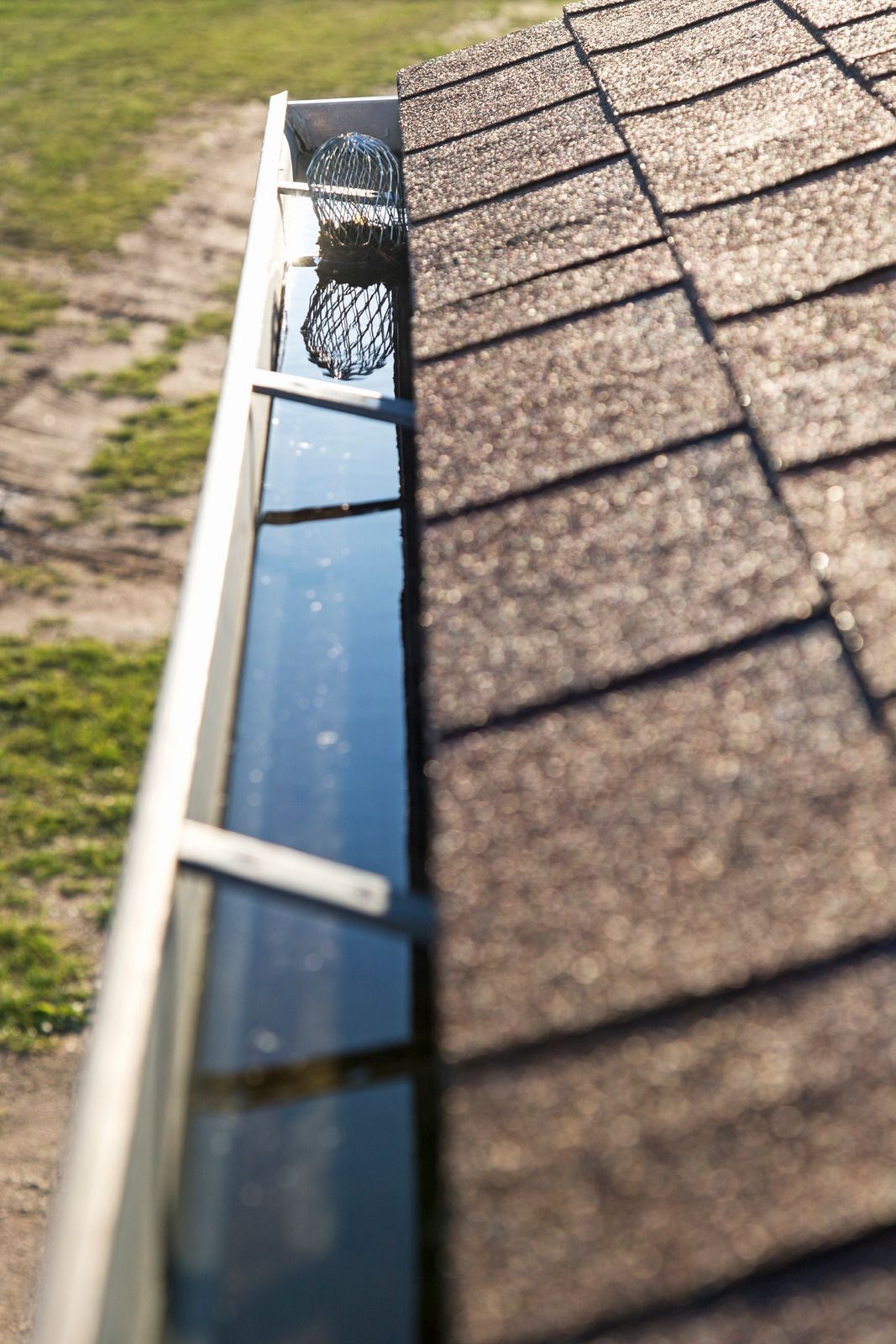
- Loose clumps break off in the wind and wash straight into your gutters.
- Blocked gutters then overflow down the walls, and damp creeps inside.
- Lifted tiles let water past the surface it was meant to run off.
None of that happens overnight. But left alone for a few years, a mossy roof in this climate ages a lot faster than it should.
6. How we clear moss without wrecking the roof
The safe way to shift moss is low pressure, not brute force. We use a soft wash, which means gentle water pressure paired with a biocide treatment that kills the moss and stops it coming straight back.
Blasting an old Swansea slate roof with a high-pressure jet might look satisfying, but it can strip the surface, crack tiles, and force water under the slate. Soft washing avoids all that. It cleans the roof and treats what you can't see.
With over 15 years of experience on roofs across Swansea and the wider South Wales area, we've seen what this weather does. The fix is steady upkeep, not a once-a-decade panic.
Frequently Asked Questions
How often should a Swansea roof be cleaned?
It depends on shade and tree cover, but in this damp climate many homeowners find every two to four years keeps moss under control. North-facing roofs may need it sooner.
Will the moss just grow back?
Some regrowth is normal over time, but a soft wash with a biocide slows it right down. That's why the treatment matters as much as the cleaning itself.
Is pressure washing bad for my roof?
High pressure can crack tiles and strip the surface, especially on older slate. Low-pressure soft washing is the gentler choice for Swansea's roofs.
Does moss really cause leaks?
It can. As moss lifts tiles and blocks the flow of water, moisture gets underneath and finds its way in. Clearing it early avoids that.
Can you clean the gutters at the same time?
Yes. Moss removal and gutter cleaning go hand in hand, since so much of the loose moss ends up in the gutters anyway.
Is moss taking over your Swansea roof?
Ben's Roof Cleaning works across Swansea and South Wales, with over 15 years of experience. Get in touch or call 01792 001668
for a free, no-obligation quote.
Damp weather is here to stay, so stay ahead of the moss
You can't change Swansea's rainfall, and you wouldn't want to swap the sea air for anything. But you can stop moss quietly wearing your roof down. A clean every few years, done gently, keeps the tiles doing their job through every wet winter the Atlantic sends our way.